
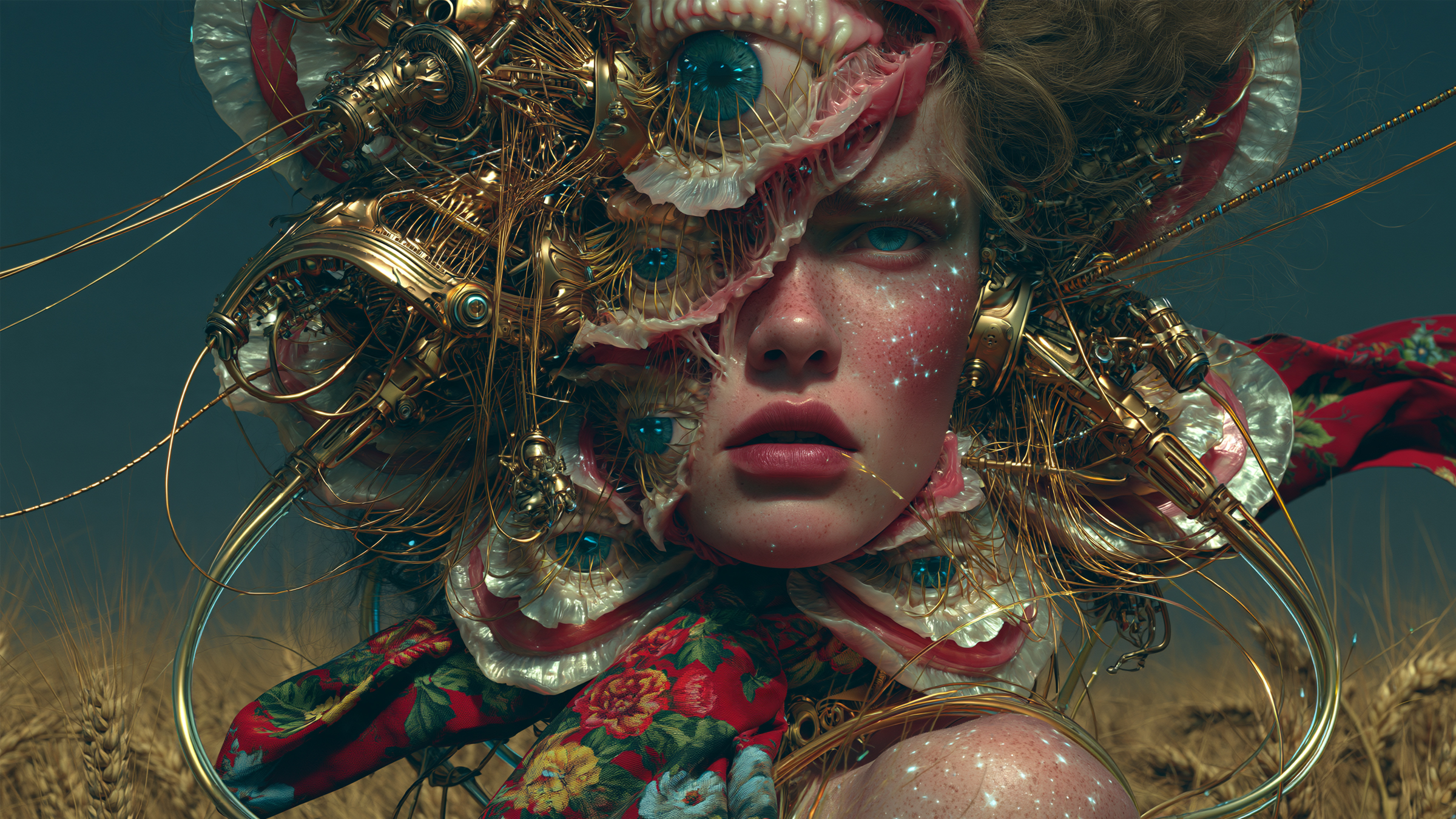
Generative tooling is an instrument, not an author.
Self-directed R&D into where generative image and video actually earn their place in an art direction pipeline — and where they still don't. The work is the method as much as the frames: references, prompt architecture, retouch standards, and the approval gates that keep a client's brand intact.
Direct it like a shoot, not a slot machine.
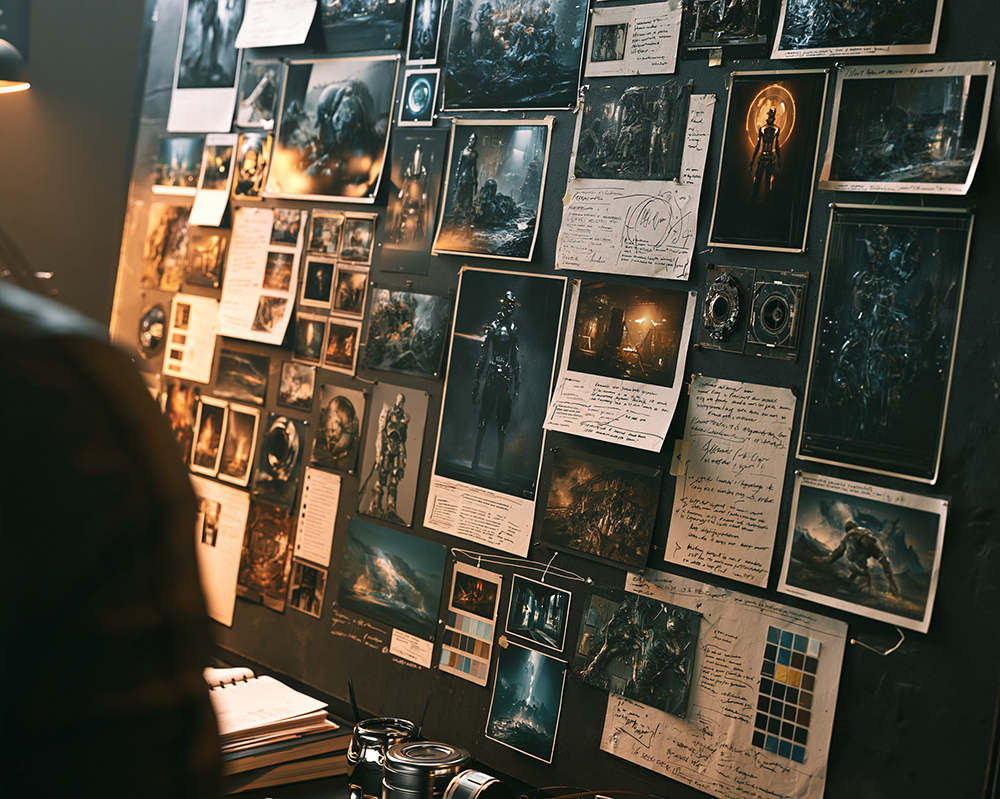
Every piece starts as a real brief — subject, lens, light, palette, what the frame is for. The generator replaces the camera, not the art direction, so the same decisions get made in the same order: reference board, then framing, then lighting, then a retouch pass that a client could sign off on.
What comes out of the model is a plate. It still gets graded, composited and typeset like anything else.
Beauty, decay, and a very specific kind of light.
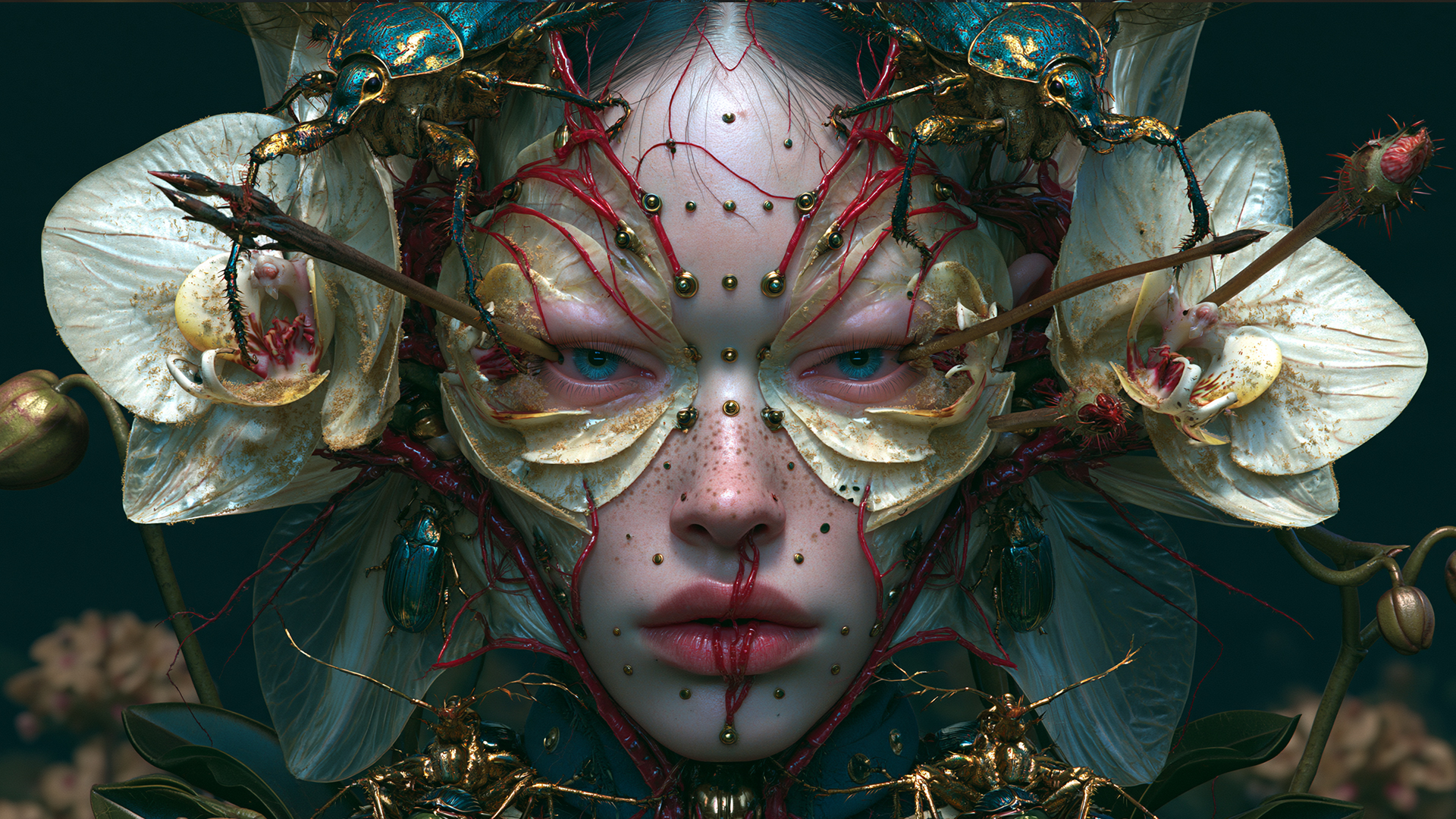
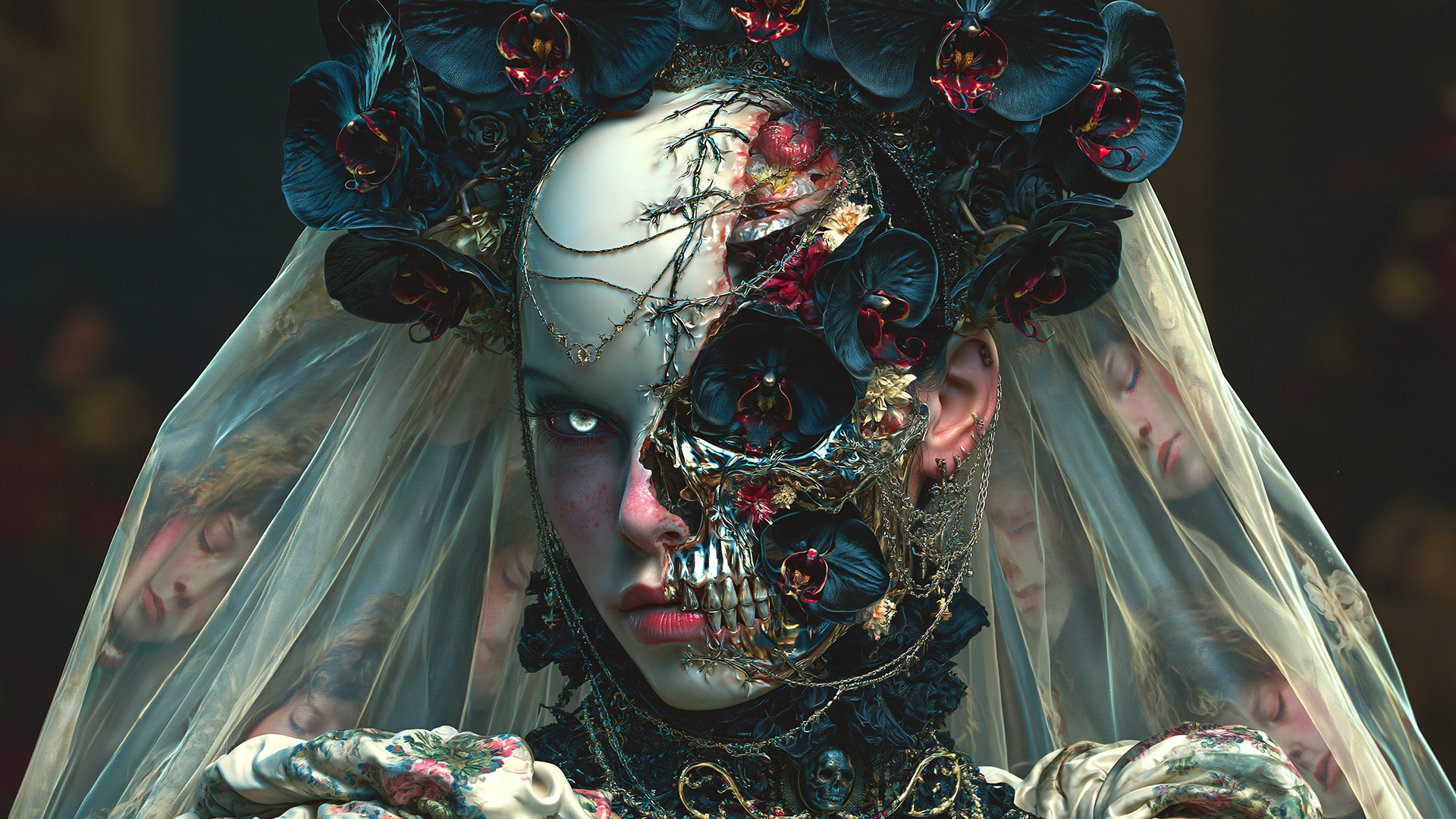
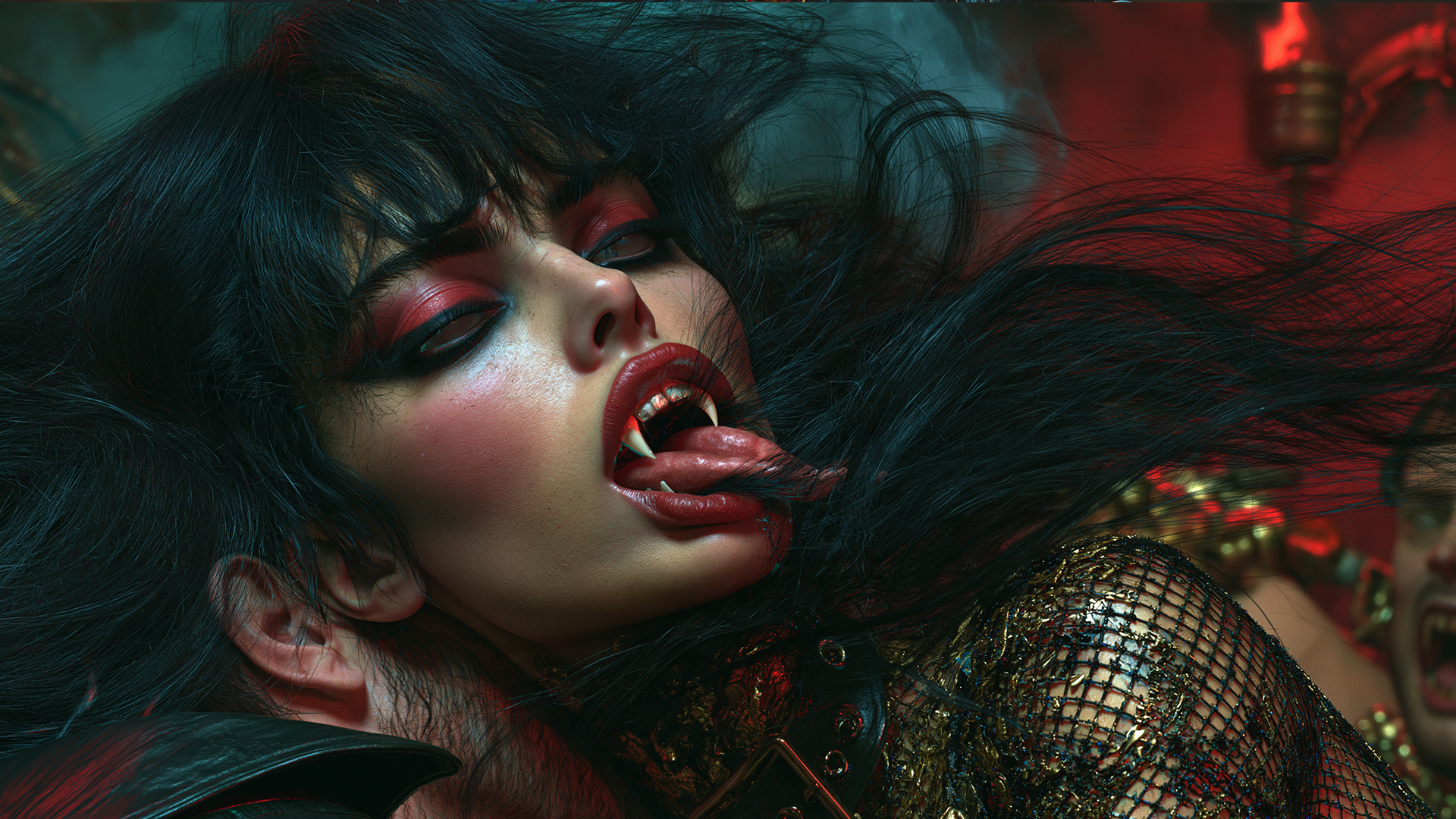
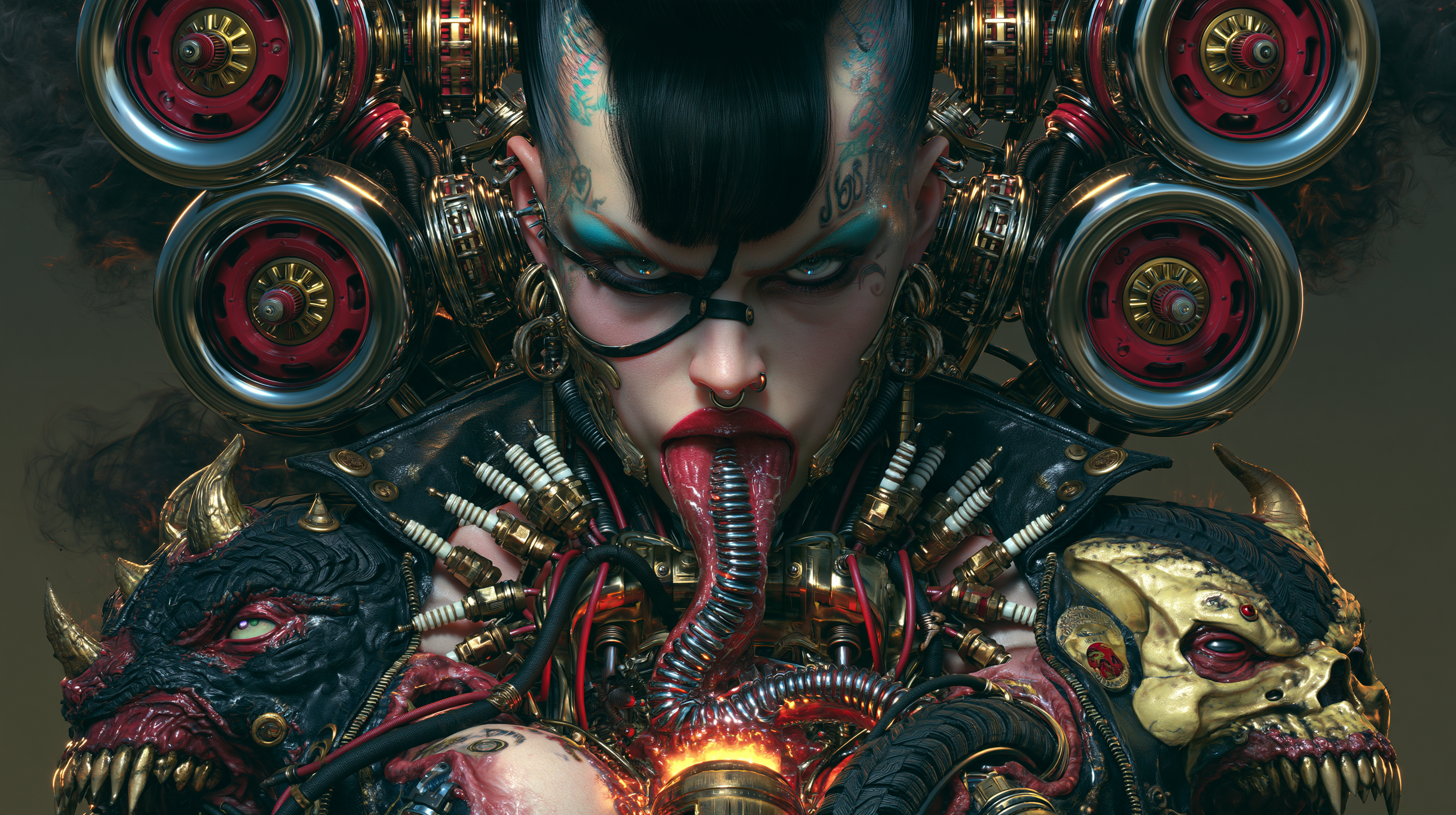
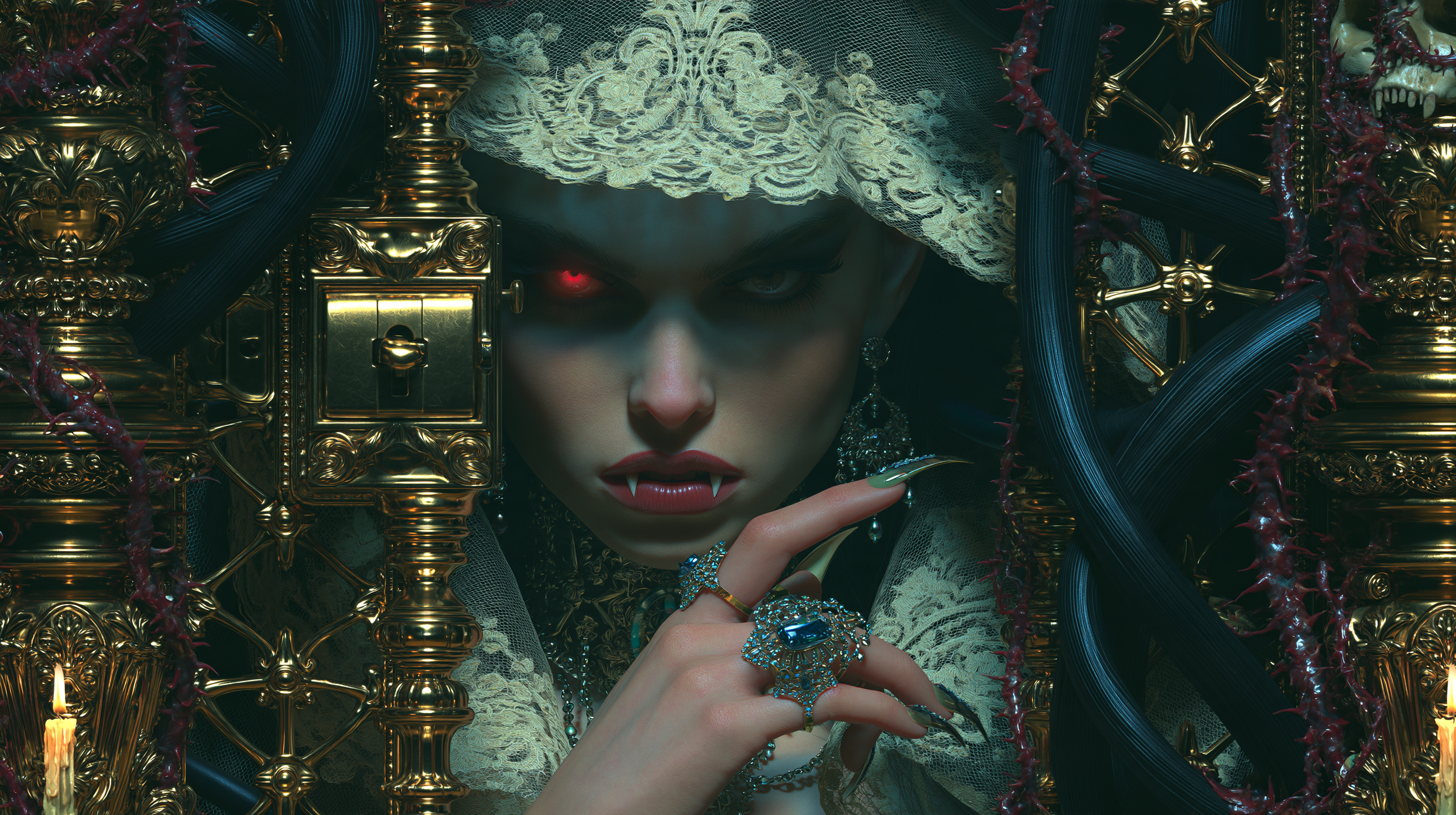
A running series on ornament pushed to the edge of the body: a club portrait lit in red and teal, an orchid-and-beetle mask, a veiled figure half gilded skull, a metalhead built out of an engine block, a countess behind gold and thorns. Different subjects, same hand — hard key from one side, deep falloff, jewel palette held to four colors, and skin kept real enough that the strange parts read as strange. The test of a system is whether frames made a month apart still read as one body of work.
Video, where a board used to be enough.
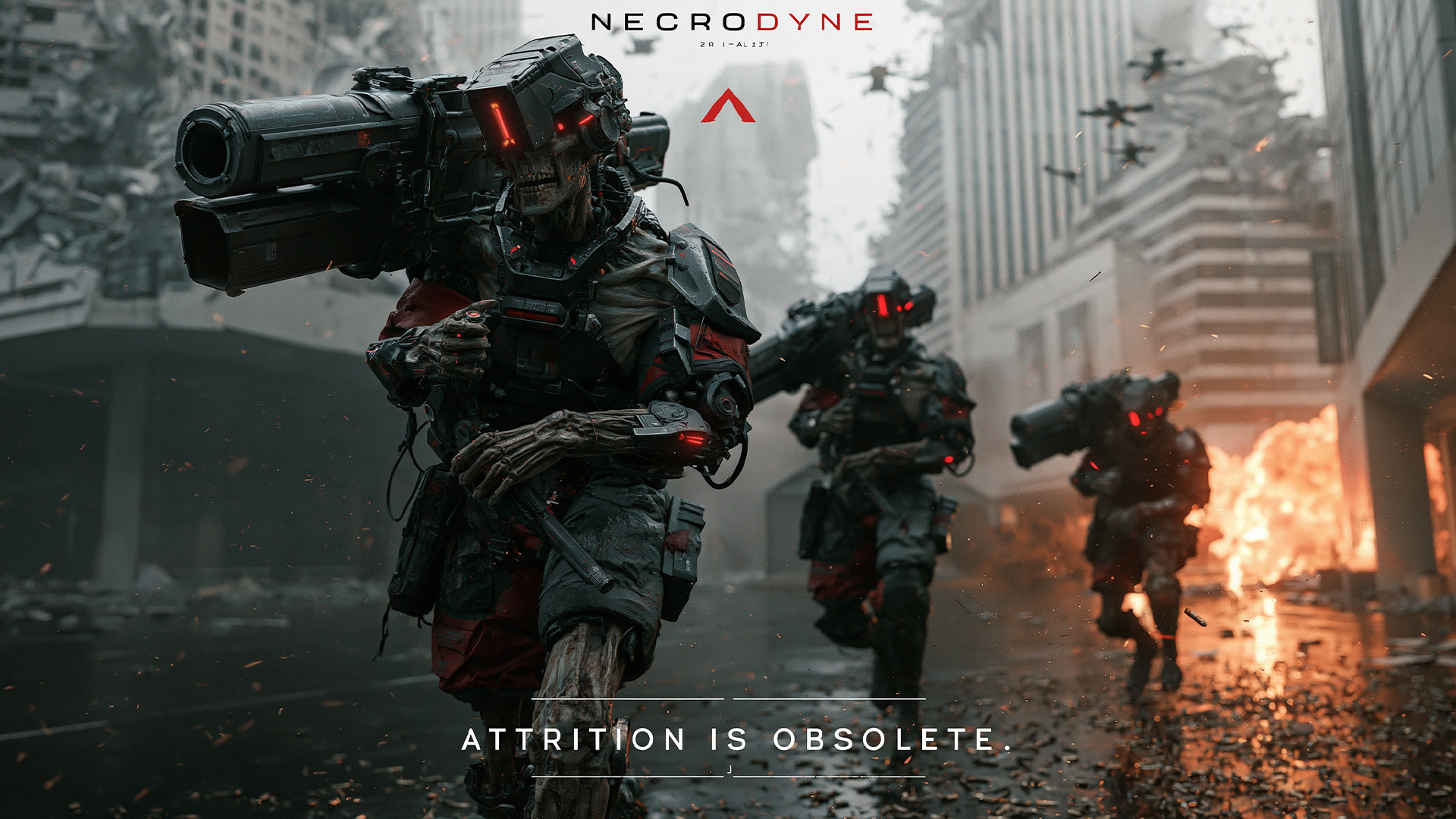
Pre-viz is the honest use case: a client seeing the pace and cut of a spot before anyone books a crew. Generated motion gets you a believable 12 seconds of intent for the price of a storyboard.
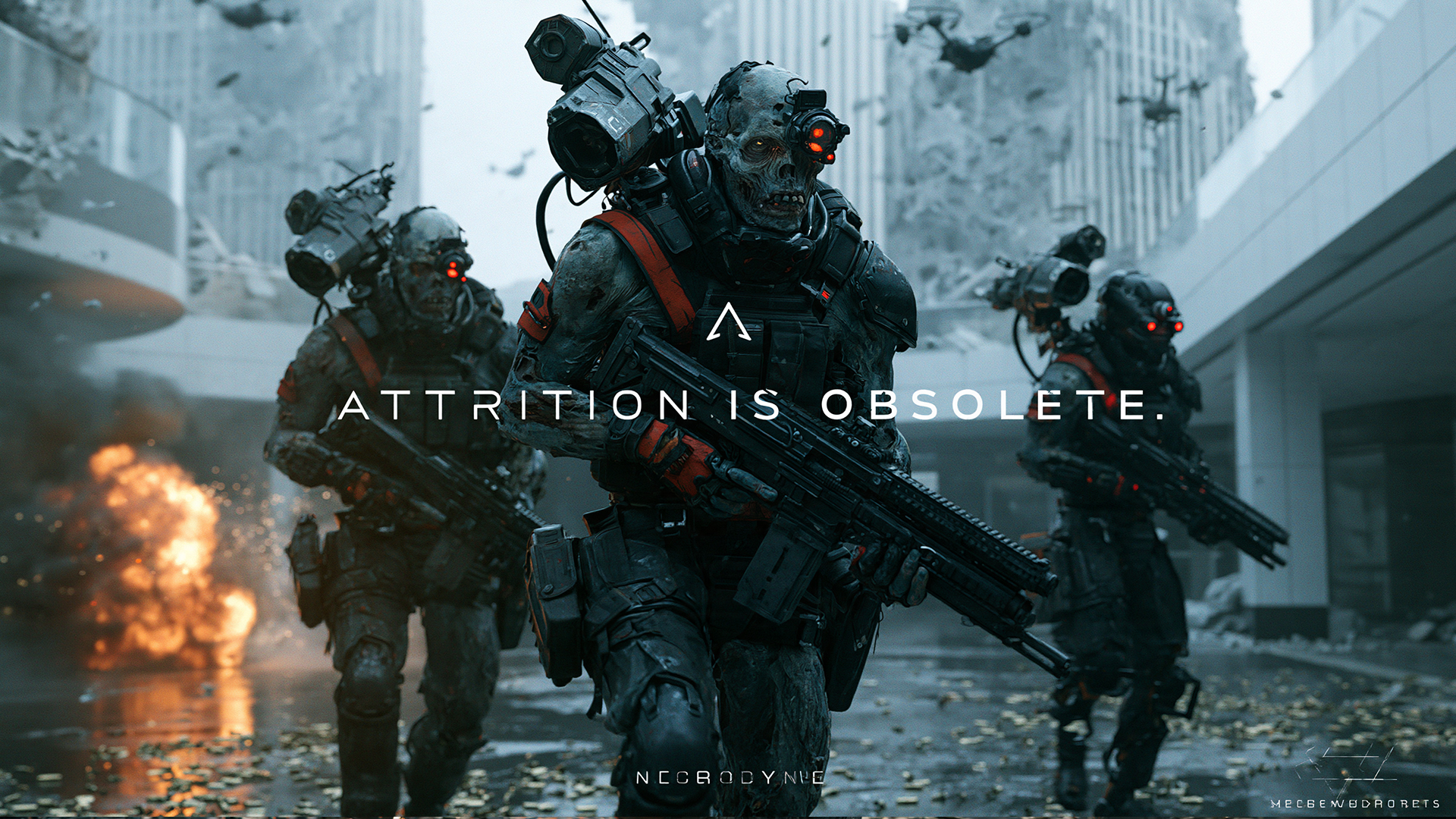
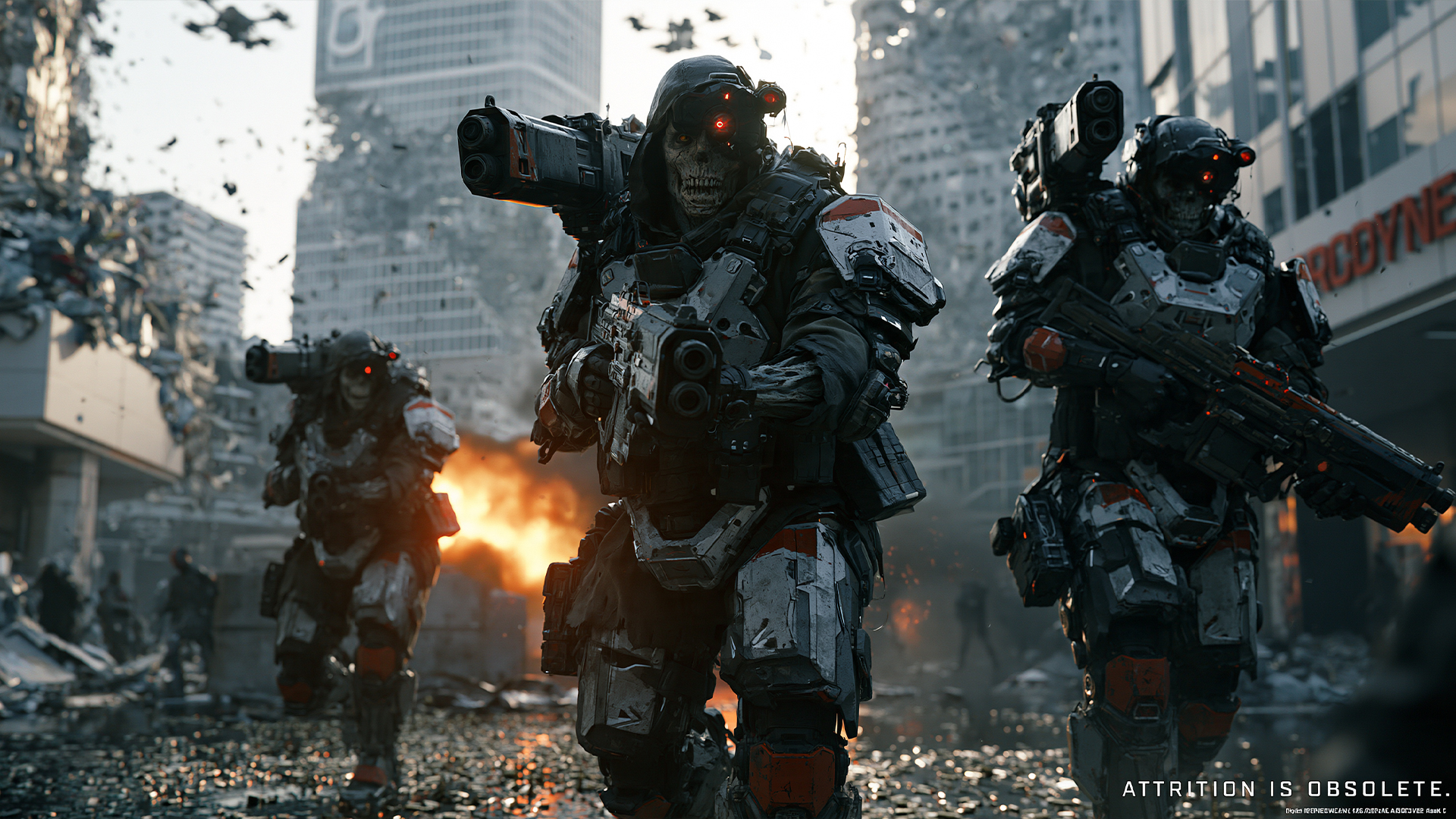
The constraint moves from production to judgement.
When a frame costs minutes instead of a day, the scarce thing is knowing which frame is right. That's the part of the job this work is actually about — and the reason the pipeline I document for clients has approval gates in it, not just prompts.